
The the National Press Club Journalism Institute, in partnership with Common Health Coalition, has launched a fellowship opportunity for mid-career journalists. The Public Health Reporting Fellowship awards up to $7,500 to support reporting projects focused on the intersection of public health policy and health care delivery.
The awards will fund the work necessary to complete each reporting project, including travel and time away from regular duties. During the six-month, fully remote program, the fellows receive monthly training, access to subject-matter experts, and mentorship customized to their specific project.
The Common Health Coalition, which brings together leading health care organizations in pursuit of a more unified health system, has invested $50,000 to start the fellowship program at the Institute.
“Spotlighting patients’ and communities’ lived health experiences helps inform health leaders, shape policy, and drive change around the country,” said Chelsea Cipriano, MPH, managing director of the Common Health Coalition. “Public health reporting is critical — especially at this moment — and we’re proud to partner with the National Press Club Journalism Institute for a second year to help our colleagues in journalism tell these vital stories.”
“Public health journalism sits at the intersection of science, policy, and people’s lived experiences, and getting it right has real consequences for communities,” said Beth Francesco, the Institute’s executive director. “This fellowship creates space for rigorous, on-the-ground public health reporting — work that informs the public, elevates community voices, and strengthens trust in public health and in journalism.”
About the funder

Funding for the inaugural Public Health Reporting Fellowship has been generously provided by the Common Health Coalition with additional resources coming from the National Press Club Journalism Institute.
The Common Health Coalition: Together for Public Health brings together leading health organizations in pursuit of a reimagined health system: one in which the nation’s health care and public health systems no longer work in parallel, but hand in hand – with better health for all as the common goal.
Meet the 2026 Public Health Reporting Fellowship Cohort
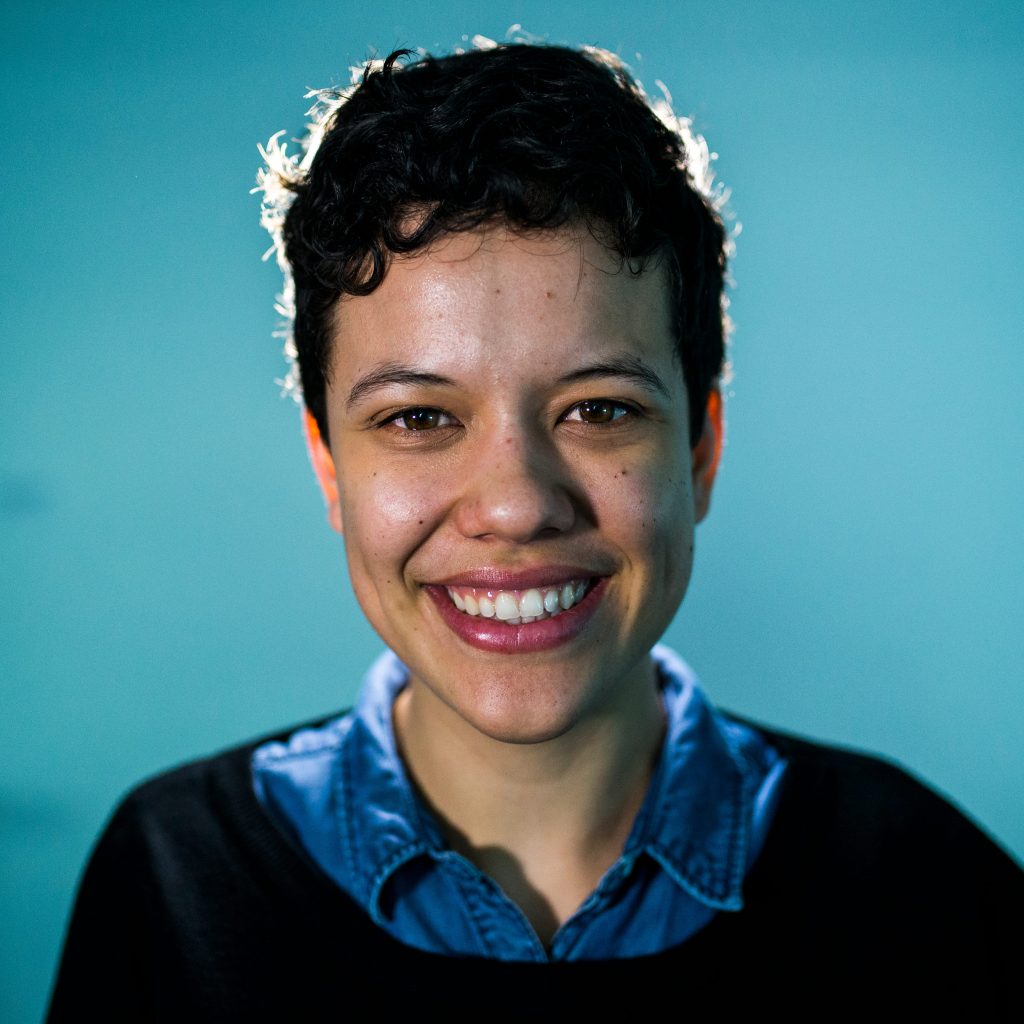
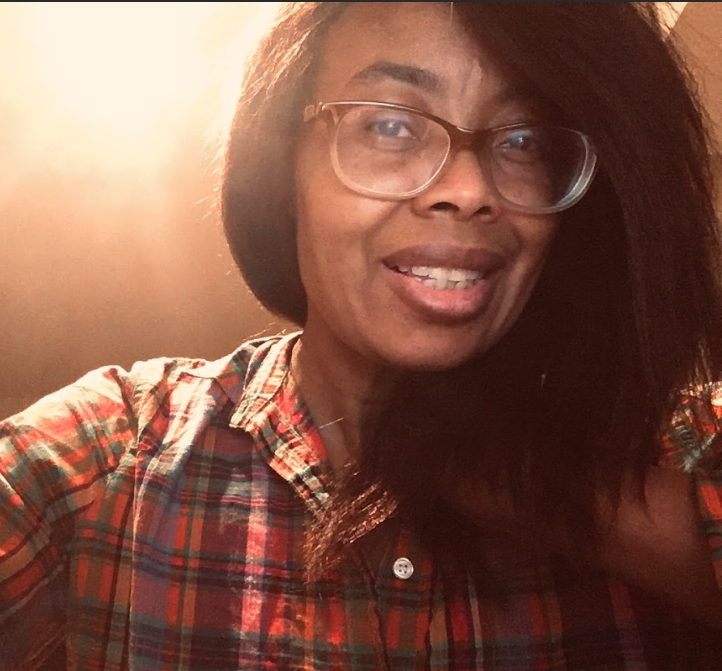

Maea Lenei Buhre is a general assignment producer for PBS NewsHour. Buhre’s project will explore the long-term environmental health and mental health impacts of the 2023 wildfires in Maui, with a focus on residents’ access to care.
Cassie Chew is an independent journalist. Chew’s project will focus on the coming adult autism services surge, using Illinois as a case study to examine gaps in services, disparities in access, and the human consequences of a system that largely stops at 21.
Whitney Downard is a reporter for the Pennsylvania Capital-Star. Downard’s project will cover Pennsylvania’s experimentation with a new type of medical provider — primary care medics — as the state’s response to known shortages in licensed medical providers.
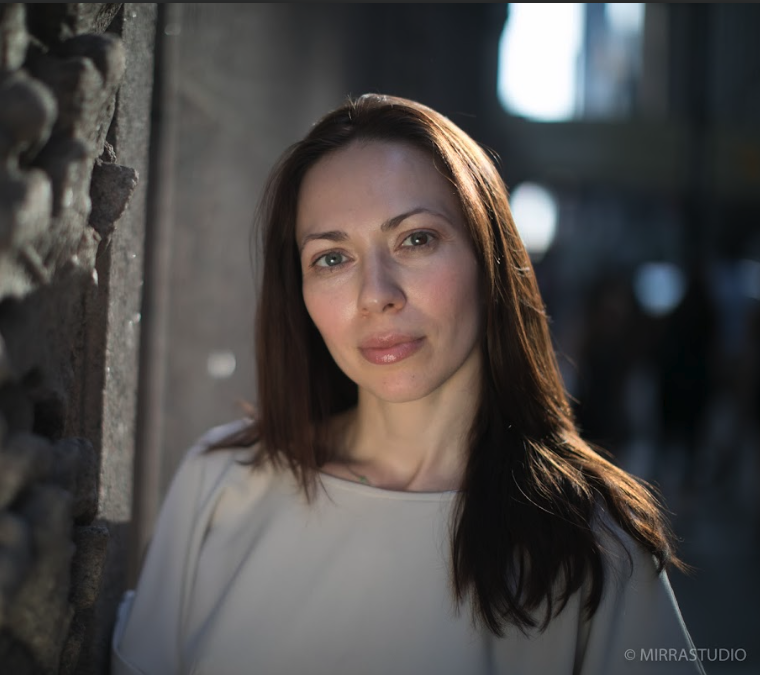

Olga Loginova is an independent environmental journalist and documentary filmmaker. Loginova’s project will explore maternal and child health care and access to care among residents of Arizona colonias.
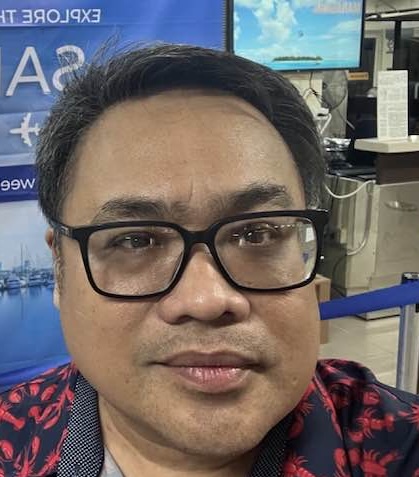
Mark Rabago is a correspondent for the Marianas Press. Rabago’s reporting will dive into the rates of cancer cases and access to health care in the Northern Mariana Islands, a U.S. territory.
Jayati Ramakrishnan, reporter for The Seattle Times. Ramakrishnan will report on mental health-related wraparound services with a solutions-focused approach that ties in to the overarching need for systems of care.
2025 Public Health Reporting Fellowship cohort:
- Ted Alcorn, independent journalist who reports on health and justice for numerous publications. See Ted’s project here.
- Jamal Jordan, a multimedia documentarian currently working as an audience editor at The Washington Post
- Eleanor Klibanoff, law and politics reporter at the Texas Tribune. See Eleanor’s project here.
- Lygia Navarro, a bilingual and disabled independent journalist working in long-form narrative print and audio with a focus on health and Latine stories. See Lygia’s project here.
- Amanda Seitz, health policy reporter at KFF News. See Amanda’s project here.
Proven impact
Fellows in the inaugural 2025 cohort reported on issues including rural maternal health and cancer care, the impact of H5N1 on Latine immigrant agricultural workers, and how U.S. immigration policies affect public health outcomes nationwide.
“The fellowship allowed me to report a story I would not otherwise have been able to pursue and to do the work in the way it deserved: on the ground, talking directly with people who have a real stake in the outcome,” said Ted Alcorn, a 2025 fellow whose reporting explored how Kentucky is working to improve cancer care for rural residents.
“In an understaffed, underfunded journalism ecosystem, it’s incredibly rare to have the time and resources to fully dive into a story,” said Eleanor Klibanoff, a 2025 fellow who reported on rural maternal health for The Texas Tribune. “When you do get that opportunity, like with this fellowship, it’s remarkable what you can produce.”
Lygia Navarro, a 2025 fellow who reported on bird flu’s impact on immigrant workers for The Sick Times, added that NPCJI’s and the Common Health Coalition’s “institutional investment in the fellows meant we had real backing, a sounding board, and a community—especially during an exceptionally challenging time for health journalists.”
About our program partner

The Common Health Coalition is a first-of-its-kind collaboration spanning clinician groups, health departments, hospitals, payers, and community organizations. By uniting leaders who rarely share the same table, we turn alignment into action at a scale no single sector can reach, and transform relationships into results for people and communities. Founded in 2023 by the Alliance of Community Health Plans, AHIP, American Hospital Association, American Medical Association, and Kaiser Permanente, the Coalition now represents more than 300 members across 45 states and territories. Learn more by visiting commonhealthcoalition.org and follow on LinkedIn and Instagram.
More fine print
Fellowship requirements:
- Applicants must have at least 10 years of professional journalism experience.
- Fellows will report and produce a significant journalism project covering the critical public health topics of our time to be published or broadcast in a U.S.-based media outlet.
- Applicants are asked to provide a letter of support from their employer or the news outlet where they intend to publish their project.
- While previous public health reporting is not a requirement, fellows must demonstrate a commitment to this topic, detailed in their application proposal.
- Fellows must participate fully in orientation and monthly check-ins.
More details on the Public Health Reporting Fellowship:
- Fellows will also participate in a publicly available knowledge-share webinar to assist other health reporters in pursuing this work by describing what they learned and the “how” behind their projects.
- Fellows will receive up to $7,500 in funding to support reporting expenses for a significant project to be published by fellows’ employers or a supporting news outlet. Newsroom and freelance journalists are welcome to apply. Projects would also be distributed across NPCJI networks and partner sites.
- Fellows will have six months to complete and publish/distribute their respective projects.
- Fellows will attend a half-day virtual orientation with training content focused on public health issues, data, resources and research to support their projects.
- Fellows will receive support from leading public health experts and journalists serving as mentors throughout the fellowship.
- Fellows will participate in monthly virtual checkpoints to continue building their knowledge of resources and data.