
The war in Iran threatens to open a new era of nuclear proliferation, creating imminent national security risks and geopolitical consequences. For journalists who have not reported on nuclear weapons or policy before, the time to build sources and an understanding of the stakes is now.
To help journalists cover nuclear escalation, we spoke with experts from the Stanley Center for Peace and Security — a nonprofit organization that offers media training on complex global challenges like nuclear risk.
Last year, they launched the Developing Story Project, a multi-year initiative that supports reporting on nuclear weapons-related issues through a variety of events, workshops, and fellowships. Next week — on April 7 from 6 to 9 p.m. ET — they’ll be at the National Press Club hosting a screening of the documentary “Bombshell.” (Details here.)
Devon Terrill, journalism and media senior program officer, and Chloe Angyal, journalism and media program associate, shared practical advice with the Institute, from finding expert sources and resources to telling human stories about nuclear risk that resonate with general audiences.
What should journalists be doing now to prepare for covering a potential nuclear crisis or escalation? Who are some experts they should reach out to?
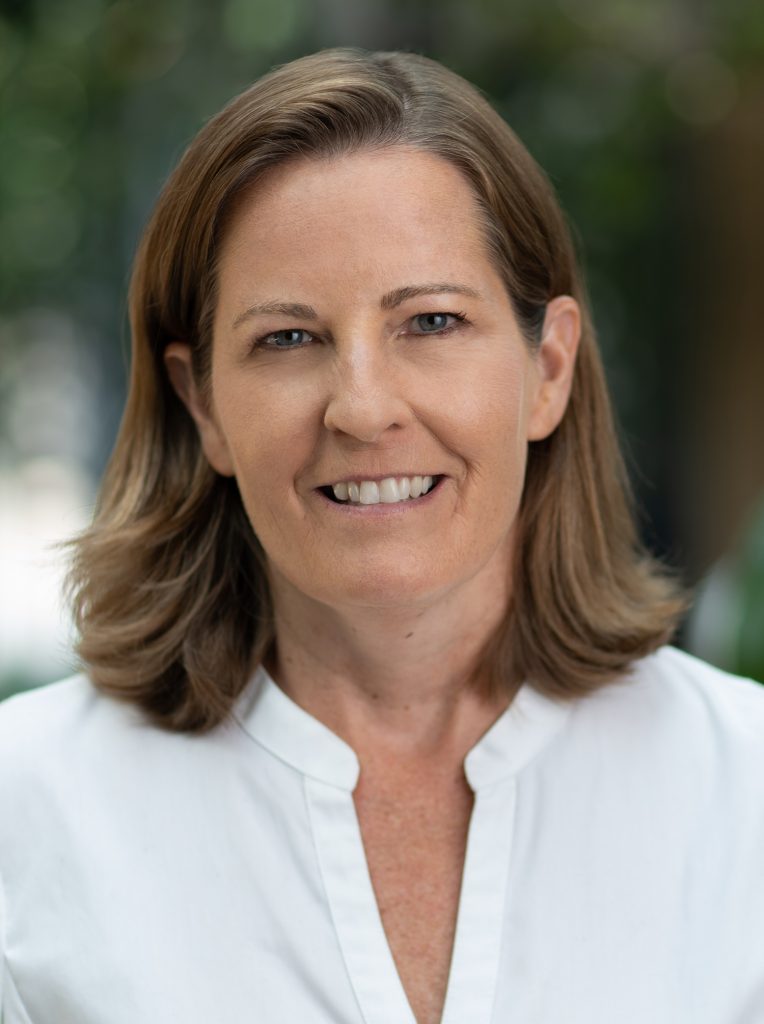
Terrill: Start developing sources now. Get familiar with how the issues are being reported — the kinds of sources, angles, and entry points that journalists are already using for breaking news, but also for stories that go deeper, give context, or thread together developments and under-covered perspectives in between crisis moments.
Start tracking nuclear coverage. Subscribe to Rethink Media’s “AM Nukes Roundup,” which aggregates reporting and opinion pieces on nuclear issues in different types of outlets.
Follow “The Bulletin of the Atomic Scientists” and keep an eye out for background briefings and other virtual events that can help you process nuclear-related news and analysis and introduce you to expert sources.
Individual experts you could tune into include Ankit Panda (author of “The New Nuclear Age: At the Precipice of Armageddon”), or the Federation of American Scientists’ Matt Korda, who co-authors the “Nuclear Notebook,” the authoritative open-source record of the world’s nuclear arsenals. Kelsey Davenport, director for nonproliferation policy at the Arms Control Association, is also a great resource for journalists and was just featured in a briefing on Iran, alongside two other top-notch experts. Sahil Shah of the Council on Strategic Risks has a very accessible style and gave this helpful 10-minute backgrounder for journalists on the conflict in Iran.
Finally, Outrider Foundation is maintaining this nuclear expert source list with sources organized into categories and specialties. The key is to start tuning in to the nuclear dimension of current events and begin developing trusted sources.
What are the biggest mistakes or misconceptions you see in current media coverage of nuclear weapons and nuclear risk?

Angyal: That the world ends when nuclear weapons are used. The reality of what Hiroshima went through, and of what we’ve seen in the aftermath of testing, is that the world doesn’t end — it becomes a living hell for the people who survive.
The other misconception is that audiences are not interested in this topic. In fact, a 2023 Carnegie Corporation of New York and Chicago Council on Foreign Affairs study of American news consumers indicated that there is a desire for more information and a better understanding of nuclear weapons and policy. The assumption that there is no audience demand leads to editorial deprioritization, especially when stories are not pegged to a breaking news event.
When nuclear weapons make headlines, coverage often focuses on political rhetoric. What important angles or stories are journalists missing?
Terrill: We asked journalists a very similar question in our call for applications for our Hiroshima journalism workshop last year. One journalist answered beautifully by saying, “What draws me to reporting on nuclear weapons is the unparalleled moral, political, and existential weight of the subject. Covering nuclear issues requires exposing hidden architectures of power… Nuclear weapons are not just about policy, they are about people.”
Remarkably, the missing angle is often the human story behind these weapons — their costs, consequences, and harms, and the hundreds of thousands of people involved with nuclear infrastructure — as well as the stories, past and present, of those working to reduce risks.
Nuclear policy can be highly technical. What are some practical ways journalists can explain nuclear weapons, deterrence, and arms control clearly for general audiences?
Angyal: When we’ve seen journalists have the kind of “aha!” moments that make them want to do more reporting on nuclear weapons issues, it’s when they recognize the human stakes, or when they start to see the dollar signs.
Maybe they read “Hiroshima” by John Hersey, or they hear a speech by a downwinder or someone from the Marshall Islands. Maybe they start reading about the staggering cost of modernizing America’s nuclear weapons program, which the Congressional Budget Office estimates will cost $946 billion over the next decade.
Or maybe it’s both: They start thinking about the cost of spending that money on nuclear weapons systems and not on programs that promote human flourishing.
Once they have that moment where the issue becomes a human and practical one, and it starts to feel less technical and abstract, they’re better able to convey that relevance to their audiences. It also helps to read great existing reporting to see how other journalists are making the technical details more accessible to audiences (e.g. the New York Times’ “At the Brink” series) and identifying sources that are good at explaining things for general audiences.
Can you share some of the resources, training programs, and other opportunities that the Stanley Center offers to help journalists deepen their reporting on nuclear weapons and global security?
Angyal: The Developing Story Project was created to support journalists who are reporting on nuclear weapons — and we do that in a number of ways.
Last year we took a cohort of two dozen journalists from Europe and Asia to Hiroshima for five days, where they met survivors, local journalists, and city leaders, and learned from each other about best practices for reporting on nuclear weapons issues.
We run workshops where journalists can learn how to effectively and ethically use open source intelligence and analysis in their reporting. And this spring, we’re organizing screenings and discussions of the nuclear-themed PBS documentary “Bombshell” with journalism schools, and we’ll be running a month-long program to support journalists who want a crash course in reporting on nuclear treaties.
As diplomats from around the world gather in New York City to review the Treaty on the Non-Proliferation of Nuclear Weapons, we’ll run a series of journalist-led virtual briefings for journalists and students to help them connect with subject matter experts and each other so they can better understand and report on the negotiations at a moment of increasing nuclear risk.
Upcoming event: Join the Stanley Center and the Developing Story Project at the National Press Club at 6 p.m. ET on Tuesday, April 7, for a screening of the documentary “Bombshell.” This film examines how the U.S. government shaped and controlled the public narrative surrounding the atomic bombings of Hiroshima and Nagasaki at the National Press Club (register here).