
Over the course of a year, the LGBTQ+ Media Mapping Project surveyed more than 115 local and 70 national media outlets to offer a deep dive into how outlets provided vital coverage for LGBTQ+ communities while facing shrinking advertising revenue and foundation support as well as rising external threats.
The project — a partnership with the MacArthur Foundation, Local Media Foundation, News is Out, and the Craig Newmark Graduate School of Journalism at CUNY — resulted in a comprehensive report that addresses the impact, challenges, and resilience of local LGBTQ+ media outlets across the country.
The findings show the size and scope of LGBTQ+ outlets (the majority are smaller or one-person operations); a strong interest in collaboration; a surge in audience; and geographic gaps in coverage (most LGBTQ+ media are in urban areas).
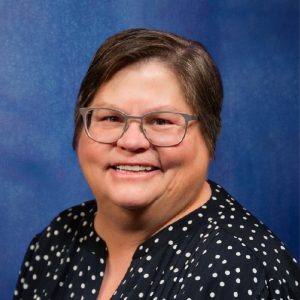
The Institute reached out to the project’s director Tracy Baim to learn what journalists and newsrooms can utilize from the results. Baim is also co-founder of Windy City Times, an LGBTQ+ newspaper launched in 1985, and the current executive director of Press Forward Chicago.
What were some of the biggest surprises from the report?
Baim: We sent the first surveys out the end of 2024, and by February most results were in. So it was early in this new presidential administration. DEI backlash had already begun two years ago, along with other changes impacting all media, so the decline in advertising was not surprising.
But by the time we did focus groups a few weeks later, it was clear the advertising and marketing slide downward was increasing, and added to that are very real fears from some journalists and media that they will be targeted, especially the trans community.
You mention a higher response rate from local media. Tell us more about that.
Baim: Our main goal with this project was to map local LGBTQ+ media. So we did spend far more time on followups of the surveys sent to local outlets. We tried many ways to reach them. That included phone calls, emails, peer pressure from other publishers, contacts from the national advertising rep firm that works with many of them (Rivendell Media), and more.
We did send the national survey out several times, but with the local one, we made even more attempts. I have to say, I think we got a strong response rate because this was coming from someone who has spent 41 years of her life in LGBTQ+ media, so many of them knew me to be serious about helping. I think that matters because we asked for private business info — we needed trust to make this work. Other publishers and Rivendell contacting them was an additional trust builder.
One of the trends you mention is the strong interest among LGBTQ+ media to collaborate in new ways. What are other insights that newsrooms across the country can use to bolster their support of LGBTQ+ media?
Baim: Collaboration between LGBTQ+ media and other media is key to solving this problem of limited local coverage of LGBTQ+ issues. In areas with no original reporting on these issues, mainstream media can pick up the slack. But they should be looking to do this authentically. That doesn’t always mean an LGBTQ+ reporter. It can mean training from some of the organizations I list in the report — LGBTQ+ and trans-specific journalism organizations can help newsrooms do a better job at getting it right.
What do you hope other organizations and audiences will take away from the report?
Baim: I think just knowing that LGBTQ+ media from all over are facing these same issues can be a bonding experience. Even those in big cities are seeing backlash related to DEI. There are examples of collaborations helping, so now that more LGBTQ+ media are willing to work together, this can be one path to a better future. But it is going to be a tough next few years for so many reasons. We will need each other.
Briefly walk us through the project’s methodology: How did you structure the surveys so that you could compare the results?
Baim: We used two separate surveys: one for local, one for national media. While there were many similar questions, we wanted to know different things about each type of outlet. We were not comparing the cohorts to each other, but rather comparing within the local and national survey responses.
That said, we were liberal in including various types of media — as long as it was original content and not all opinion-based, and primarily focused on the LGBTQ+ community. This means we had traditional print, digital, podcasts, radio, etc. I spent a couple of years on research of local and national media before getting funding for this project, and in 2012 I wrote a book, “Gay Press, Gay Power: The Growth of LGBT Community Newspapers in America.” So those were my starting points.
We then included other experts in this space to help add to the list. Some outlets had gone out of business, but it was great every time we found a new one to include.