
After ABC’s Terry Moran was suspended over a social media post, questions around how journalists balance personal expression with professional impartiality — especially in today’s hyper-partisan environment — have resurfaced.
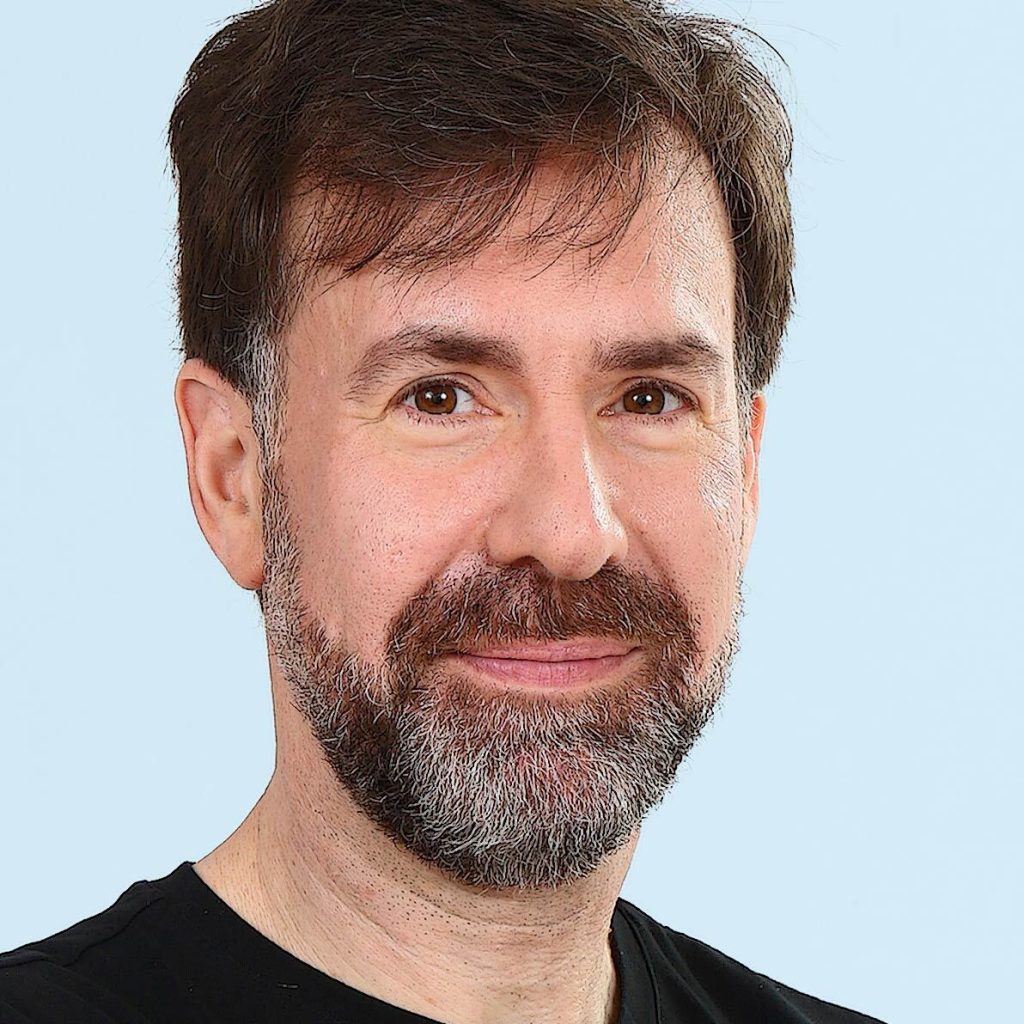
Michael Koretzky, Society of Professional Journalists Ethics Committee chairman, has watched those boundaries bend and evolve for decades.
The Institute spoke with Koretzky about how journalists can navigate today’s polarized landscape and why saying nothing might be the smartest professional move.
This interview has been lightly edited for length and clarity.
How should news organizations navigate the line between journalists’ personal expression and professional impartiality in today’s hyper-partisan environment?
Koretzky: There are too many individual cases. I think, by and large, I default to some of the bigger newspapers that have struggled with this for years. The Washington Post and The New York Times say: Don’t express partisan opinions, don’t take sides on a story that we’re covering objectively. But what happens when you comment on something else and it becomes controversial?
If you’re a good journalist, you kind of know what’s going to cause a problem. There’s always going to be someone who does something that seems OK, that’s on that line. But by and large, I think a news organization having a traditional social media policy now is no different than it was before Trump.
The biggest difference between now and even 20 years ago is that if you’re going to be one of those journalists who says, “Newspapers should let me express my opinion,” go work for one of those other outlets. There’s no shortage of media. Newspapers are dying, but what’s thriving are advocacy groups and niche publications.
The real thing that hyper-partisanism has driven is partisan websites, on the left and the right. It’s a fair requirement that if you’re going to take on the role of a journalist, you have to say less on social media.
How are politicians wielding influence over media accountability?
Koretzky: I don’t think their influence is because of their gravitas. It’s not that JD Vance is so eloquent that he is changing people’s minds about the media, and the media is quaking. I think it’s because it’s a purely business decision. The people who are pro-Trump are the ones who spend the most amount of money on advertising, and they just don’t want any hassle.
Whereas in the past, Republicans and Democrats didn’t do that. They would hate the reporter, they would hate the newspaper, but they wouldn’t go to their friends who own businesses to say, “Don’t put your ad in that publication.” Today, they will, and today it matters because back when I was a reporter, newspapers were doing just fine, and they could laugh off this stuff because it might cost them some ad revenue, but they were raking it in, And they aren’t raking it in anymore.
What protections, if any, should journalists have when expressing political opinions on personal social media accounts?
Koretzky: One of the things that really still needs to change is that journalists aren’t protected enough. It’s just really hard to get people to understand this if they haven’t gone through it. When reporters do go on social media and post for their job what they’ve been told to do, they get harassed for it. Those newspapers need to do a better job of protecting them. The harassment that goes on online is real, and protecting reporters from that does not make them a snowflake because it can happen on the left and the right. If a newspaper reporter is getting harassed on social media, then they’re not able to do their jobs on social media.
How have you witnessed newsroom social media policies evolve over the last few years, and what trends do you expect in 2025 and beyond?
Koretzky: Anecdotally speaking, I don’t think the policies have changed very much. If anything, I think more and more newspapers just look to The New York Times’ social media policy and The Washington Post’s social media policy. I was on SPJ’s Board of Directors [when] … the social media policies that newspapers were trying to write at the time tried to cover every eventuality, every scenario, because they didn’t understand that you can’t do that with social media.
Now, the social media policies are just like any other policy — essentially, don’t do anything stupid. It’s written more like a U.S. Constitution where it can be interpreted, it’s more flexible. Sometimes you can get caught up in that flexibility. Most social media policies today are a lot simpler than they were, at least that I saw, 10 to 15 years ago. Back then, it was a Facebook and Twitter policy.
Nowadays, you can’t write one policy that covers every platform. Now it just says be careful, don’t endorse political candidates, don’t be controversial, and we’ll interpret that as we go. From the journalist side, I’ve seen fewer cases of journalists getting caught up in that. I think today’s young journalists have grown up on social media; they kind of know. I don’t think the social media policies have changed much in the past few years, but I do think they have changed a lot in the past 15 years.
What’s at stake for public trust in the press when journalists are disciplined following partisan pressure?
Koretzky: I know this is not a popular opinion, but I don’t think people care. Reporters who get disciplined, someone reads that, and then they move on. If you discipline someone in a hyper-partisan environment like this, the discipline matters less because they’re not going to be swayed. Who are you really convincing with that? I don’t think most people care about most of the things that journalists care about.
What’s your advice to journalists navigating this environment?
Koretzky: If you think that you might post something that could be controversial, just don’t do it. If you post it, the only reason it might get traction is your job, and your job doesn’t want you to do it.
Look around — if you’re the only one speaking truth to power, then I understand the urge, but it’s social media. Someone is already saying what you’re saying. You’re not persuading anybody. Social media rarely persuades. Your freedom to post this — what does it really matter? You are going to do more just covering a story and then letting other people argue about you on social media than you are posting something. Even if you firmly believe you have the right to do it, is that the hill you want to die on?