
In the U.S., more than 61 million people are living with a disability, yet they remain underrepresented in journalism produced by national newsrooms.
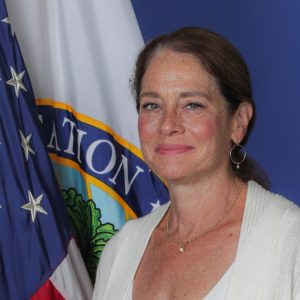
To better serve this audience, the Institute reached out to Katy Neas, chief executive of The Arc, a nonprofit organization that promotes disability rights, for her advice on the types of stories that would elevate the voices of this underrepresented community.
Neas’ advice prompted the creation of several tip sheets on Election 2024, journalism, and disabilities. Here is the second of the series.
What are three tips for improving coverage for voters with disabilities in the 2024 election cycle?
Find out what is at stake this year: Ask people with disabilities and community disability organizations about what is at stake in the 2024 elections and what worries them most. Their perspectives show the critical human impact when it comes to key policy issues such as health and support services funded by the Medicaid program, Social Security income benefits limitations, access to appropriate special education services, and high unemployment rates among people with disabilities.
Representation truly matters in all election stories. Too often, stories about disability issues lack the perspectives of people living with disabilities who can share their real-life experiences. Go beyond interviewing experts and seek out insights from a diverse set of people with disabilities for all election stories, not just stories specifically about disability issues. Make sure your reporting is free of stigma. Steer clear of “inspiration porn.” Don’t reduce the person to one identity; give them dignity and respect.
Language matters. The language used to describe people with disabilities is very individualistic. Ask people with disabilities how they want to be identified, such as with person-first or identity-first language. Person-first language (i.e., “people with disabilities”) is a respectful default. Avoid outdated terms that are vague and increasingly seen as insensitive, such as “special needs” or “differently abled.” You can find more resources on language from the National Center on Disability and Journalism. In addition, make sure your reporting is inclusive by using plain language, video captions, detailed image descriptions, and by using diverse images and videos of people with disabilities—including those with intellectual and developmental disabilities (IDD), who are often left out of the media.